
Exciting times – bringing leading historians to Kent
To start where I left off last time, there has been progress on the exhibition to go with the Canterbury Medieval Weekend, which will be based at the Templeman Special Collections and Archives. Thanks to those who have been working on this thus far and hopefully we’ll see even more progress by the next meeting on Wednesday as it is a great opportunity to showcase the library’s holdings.
I’ll come back to the Canterbury Medieval Weekend again shortly as we are now only a few of weeks away from this exciting history festival at the University of Kent. However, first to report that as part of the outreach activities by Kent MEMS postgraduates, last week Jason Mazzocchi gave a presentation on the 3 oyster maps that were created as part of a dispute involving the local fishing company in late Elizabethan/early Jacobean Faversham and fishermen from beyond the town. His audience was those in the town who guide visitors around the Faversham Charters exhibition, which includes 2 of these maps. Jason will be giving this as a public lecture to the Faversham Society on 11 June, 7.30pm at the Faversham Assembly Rooms. For further details, including how to book, please see: Events – The Faversham Society .


Such outreach events are an important way of providing access to the research findings of staff and students. Hence, I thought I would also just mention that I’ll be speaking about late medieval economic migrants in the county to the Canterbury Branch of the Kent Family History Society on Friday 17 April at 7pm. The talk will be at Lower Hardres Village Hall, CT4 5NP. David Wood, the organiser, says all are welcome and it’s £5 for members and £6 for guests.
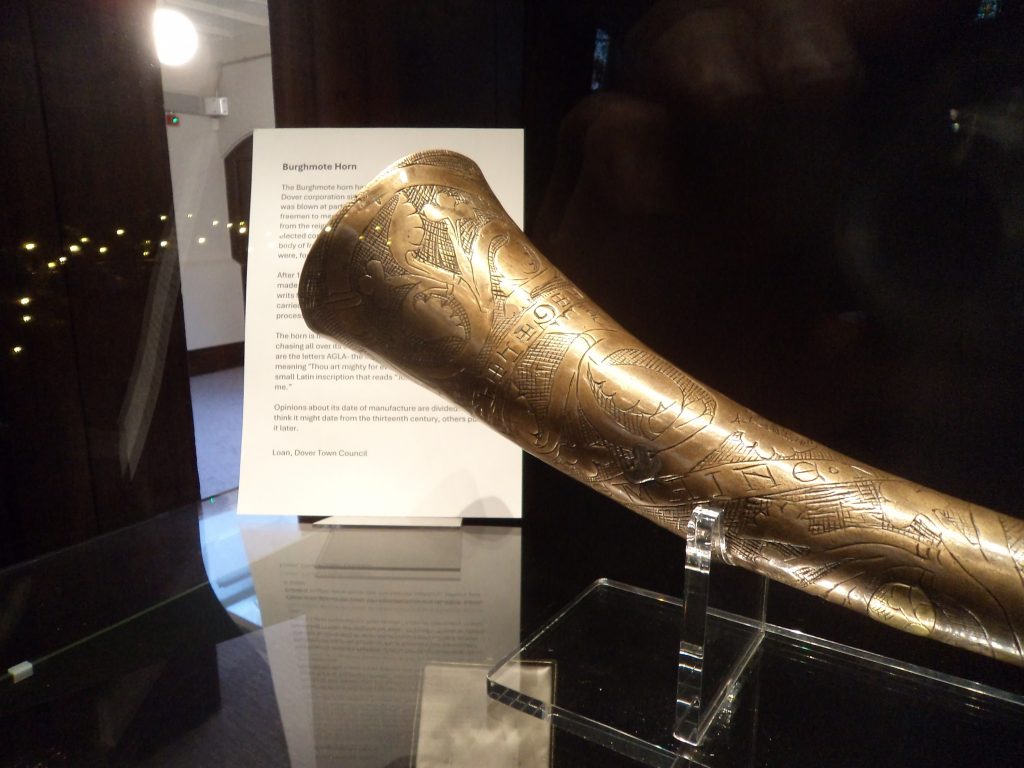
On a larger scale, the Cinque Ports conference on the 26 and 27 June will take place at the Maison Dieu in Dover. This will bring together experts on a broad range of different themes relating to the Cinque Ports, focusing primarily on the Confederation’s medieval and early modern history. The sessions have been arranged under three headings, on Friday: ‘Cinque Ports Administration’: Robert Blackmore, Justin Croft, Craig Lambert and me; for ‘Defence and the Royal Navy’: Andrew Lambert, Andy Plumbly, Susan Rose and Chris Ware. Then on Saturday under ‘Cinque Ports Maritime Communities’ we have Claire Bartram, David Carpenter, Gillian Draper, Jon Iveson, James Lloyd and Daisy Turnbull. Additionally, there will be guided tours of the Maison Dieu on both days and, as an extra event, a special reception on the Friday evening. Bookings are now being taken and for that and further details, please see: Cinque Ports Conference | UK Talk/Panel Discussion Reviews | DesignMyNight and the organisers, Stuart Bligh and Martin Crowther, will be delighted to see you for one or both days.
Now to return to the Canterbury Medieval Weekend which will be taking place from the 1st to the 3rd May at the University of Kent under the auspices of CAMEMS and Kent MEMS. As a charity whose primary aim is to provide funding for students researching for higher degrees in MEMS at Kent, CAMEMS is a vital organisation and to become a Friend, thus supporting this important work, please do see the CAMEMS website for further details: CAMEMS, Canterbury
Looking forward to the Medieval Weekend, it is exciting to report that I have now seen a copy of the Souvenir Programme which was designed again by that stalwart of the history Weekend, Diane Heath – so many thanks Diane for yet again doing a super job. Furthermore, as well as information on the lectures and speakers, it is great to be able to feature the very splendid MEMSLib. This student-led project started during the Covid pandemic as a way of providing researchers with a digital library and other resources for their projects. It continues to expand under a small team of postgraduates from the MEMS community and is available at: MEMSLib | Home – do explore! Furthermore, these brochures will be on sale at the Weekend and, like the profits from ticket sales, will boost the CAMEMS bursaries fund.
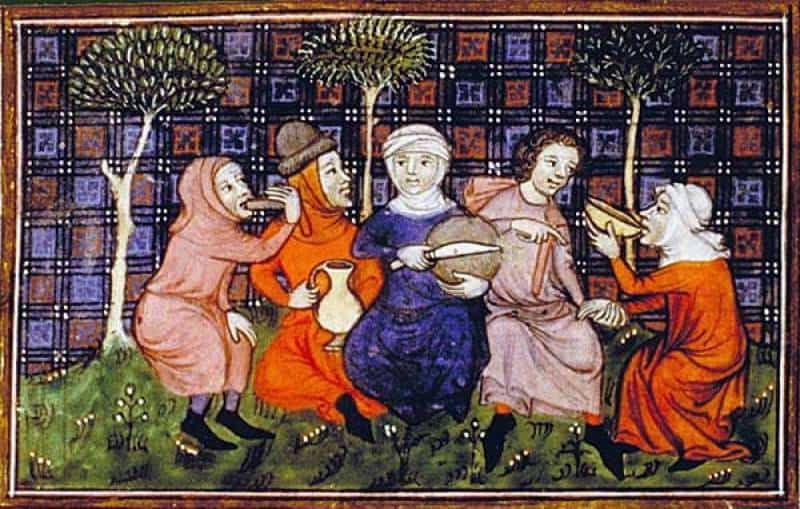
So to the delights on offer at the Canterbury Medieval Weekend 2026 and with 20 speakers there is plenty of choice. Indeed, that’s a key word because you can chart your own route through the Weekend using a pick-and-mix approach. Having previously featured Religion and the Arts, I thought this time I would mention just a few examples from the Social History strand, selecting two from Saturday and two from Sunday. For those interested in what it was like living in the medieval countryside, Christopher Dyer will need no introduction. Consequently, it is a great pleasure to have him speaking at 3pm Saturday afternoon on friction and neighbourliness in peasant society. For it is important to remember that daily life in medieval villages, witnessed conflict, co-operation, and neighbourly ties in the shaping of England’s rural communities.
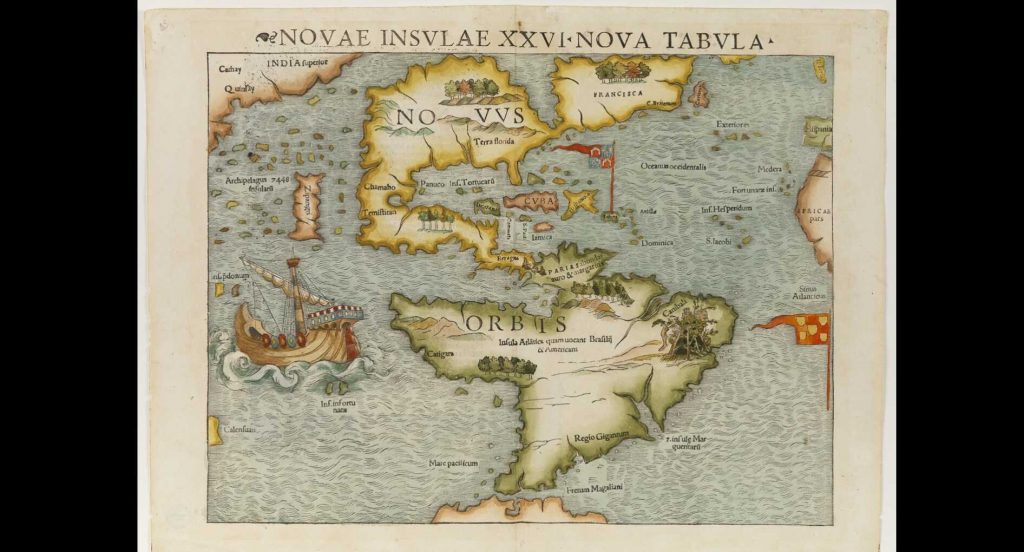
Furthermore, it was such communities that in slightly later centuries would provide the personnel who sailed west to colonise the New World. Thinking about such cultural inter-actions will be at the centre of Matthew Johnson’s lecture at 6pm on Saturday. For he will be exploring how medieval English ideas shaped early colonial settlement. By linking castles and landscapes in Britain to the New World he will be thinking about deeper issues of cultural identity, interaction and long-term change due to the movement of people.
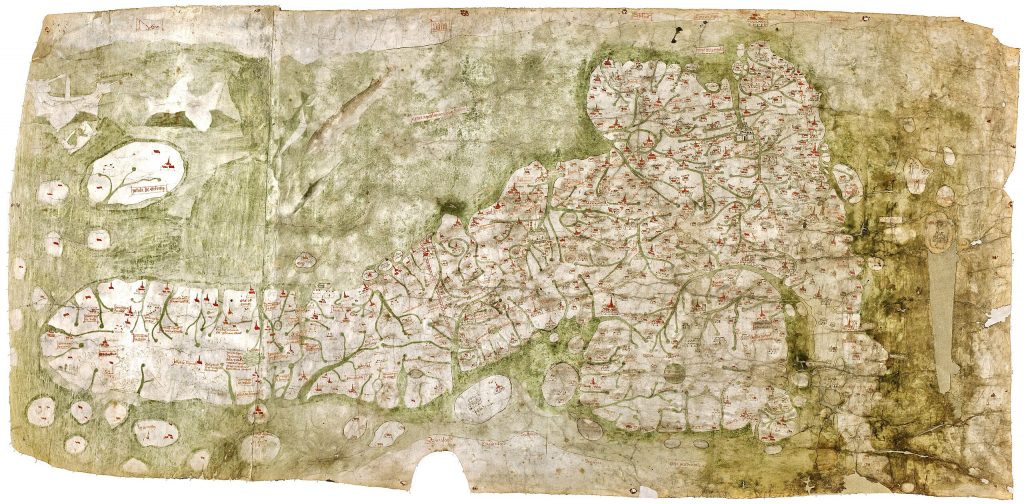

Moving to Sunday, those interested in social history can join Catherine Delano-Smith at 11.30am as she seeks to unravel some of the tantalising mysteries of the Gough Map, a map of Britain produced in around 1400 that is only slowly giving up its secrets. Indeed, it is not clear whether the team of researchers will be able to fathom out all the puzzles about its creation and purpose, but nevertheless we now know significantly more!
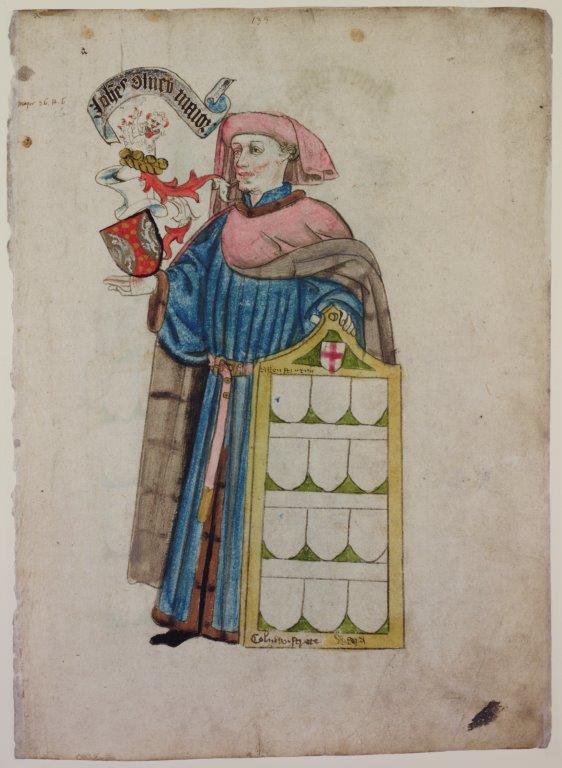
My final choice similarly highlights the tantalising nature of much research in social and cultural history. For in the company of Caroline Barron at 1pm we can go on a voyage of discovery concerning the images of the mayor, John Olney and each of the other twenty-four aldermen, together with the then Recorder of London, commissioned in 1446. Caroline is well-known as the leading historian on late medieval London, and she will bring further insights and discoveries to these fascinating paintings. I hope this has whetted your appetite to explore more details on these, as well as the full programme.
To finish, I want to flag up that Georgie Anderson, a Kent MEMS doctoral postgraduate will be giving a paper at the upcoming Borders, Boundaries and Barriers: Real and Imagined in the Middle Ages international conference at the University of Oxford on the 21st April. Georgie gave a version of this paper to the MEMS community last term, which was well received, and this looks to be a great chance to gain further feedback. And finally, in the next blog post I hope to have news on the next Kent History Postgraduates group meeting, the Fifteenth Century conference to be held at the University of Kent in September, as well as further updates on the Canterbury Medieval Weekend, so please do keep following KCHH.
Categories
academic Blog Posts Canterbury Early Modern Events Exhibition Heritage Kent Lecture local and regional history Middle Ages NewsHome