

Launching Tudors & Stuarts 2027 and much more!
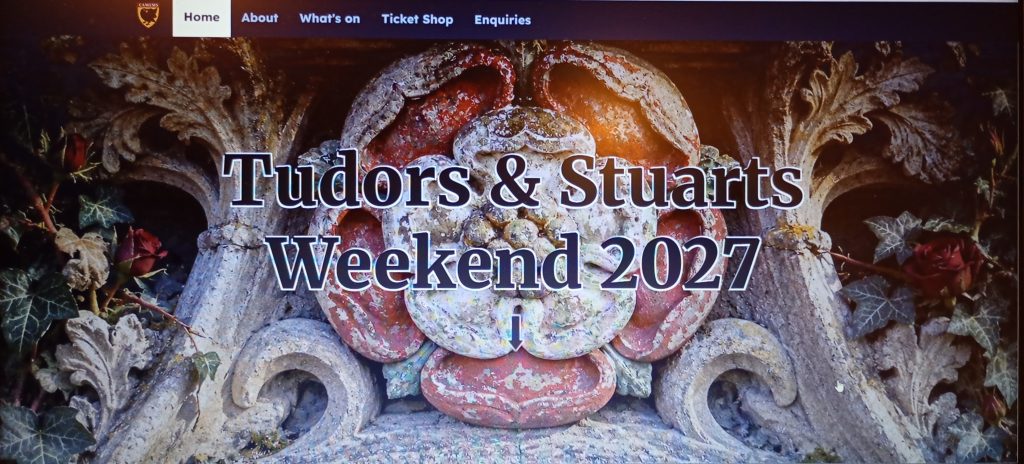
STOP PRESS! The Tudors & Stuarts Weekend 2027 website is now live thanks to Ben Cornwell’s creative work on it and Kieron Hoyle checking that the ticketing system is again working and remember it is from Friday 30 April to Sunday 2 May. Please do have a look: https://history-weekends.org/ because I think it is a great programme with a mix of excellent, popular speakers from previous years showcasing their new projects and some exciting new faces bringing their research to you for the first time.
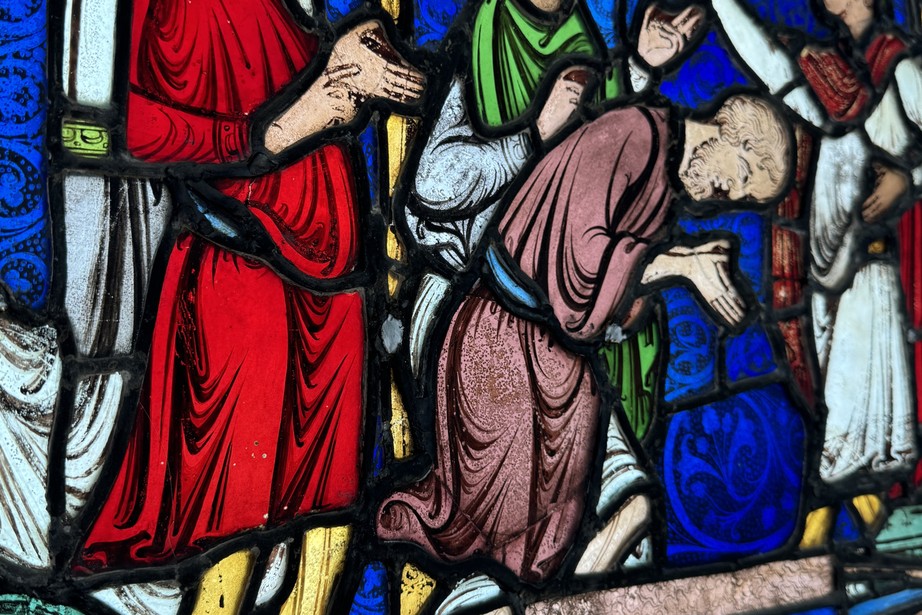
Looking forward to November, there are four events I want to mention. Firstly, Professor Rachel Koopmans is organising an all-day Becket Miracle Windows study day at the cathedral on Tuesday 10th November. As well as talks on the stained glass and the miracle narratives, there will be a visit to the archives and to the glass studio. If this sounds of interest, please see: Hidden Histories of Canterbury’s Stained Glass which has full details and how to book.
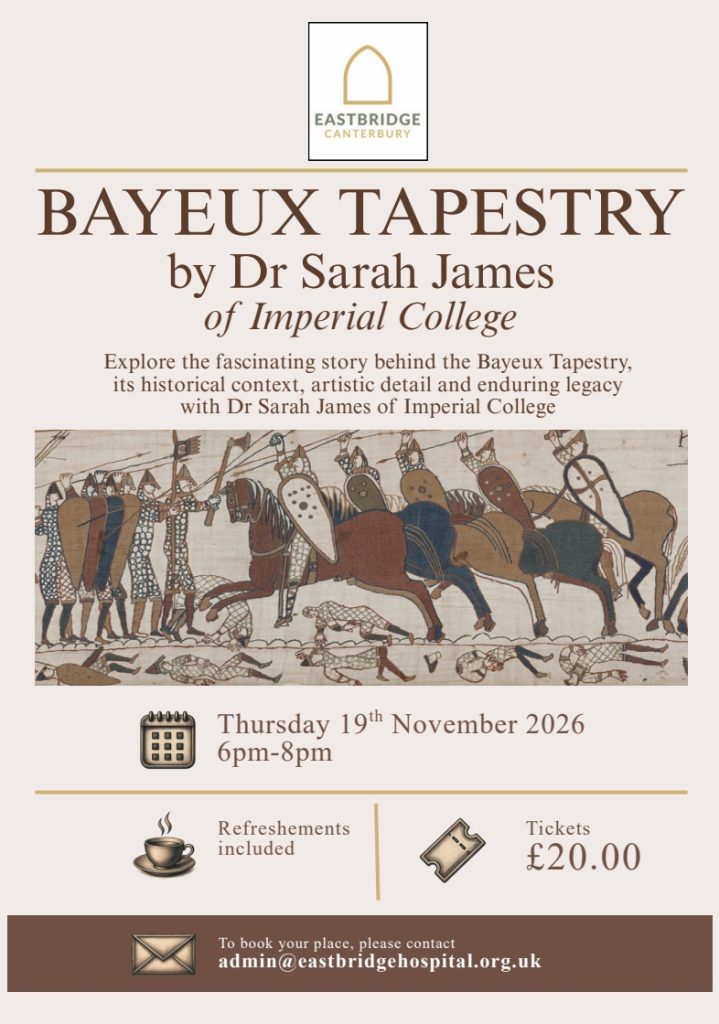
Next on Thursday 19 November at 6pm at Eastbridge Hospital, Canterbury, Dr Sarah James, now of Imperial College, London and previously of the University of Kent, will be exploring the fascinating story behind the Bayeux Tapestry, its historical context, artistic detail and enduring legacy. Refreshments are included and tickets are £20 per person in aid of the Hospital. To book, please contact: [email protected] and maybe this will be the first of a series to help this magnificent medieval building!
Then the Kent History Postgraduates group will be having their monthly meeting on Wednesday 25th November when the presenter will be Dr Jack Newman, who did his doctorate in Kent MEMS. He’ll be talking about projects as a post-doc researcher and specifically the one he is currently doing. This is to produce a Victoria County History (VCH) short book on the history of Maidstone from Reformation to Restoration.
Finally on Saturday 28th November, we’ll be at the Canterbury Expo in the Westgate Hall to represent KCHH, CAMEMS and Kent MEMS, just as we were at the Medway History Showcase 26last weekend at the Royal Engineers Museum, Gillingham.
Of course, that’s not the only things I’ll be doing because I have trustees’ meetings for Brook Rural Museum, the Oxus Foundation and Eastbridge Hospital, also for Southern History and KAS’s Allen Grove Fund, as well as for the Rother Levels wills group. Thus, it doesn’t get any quieter!
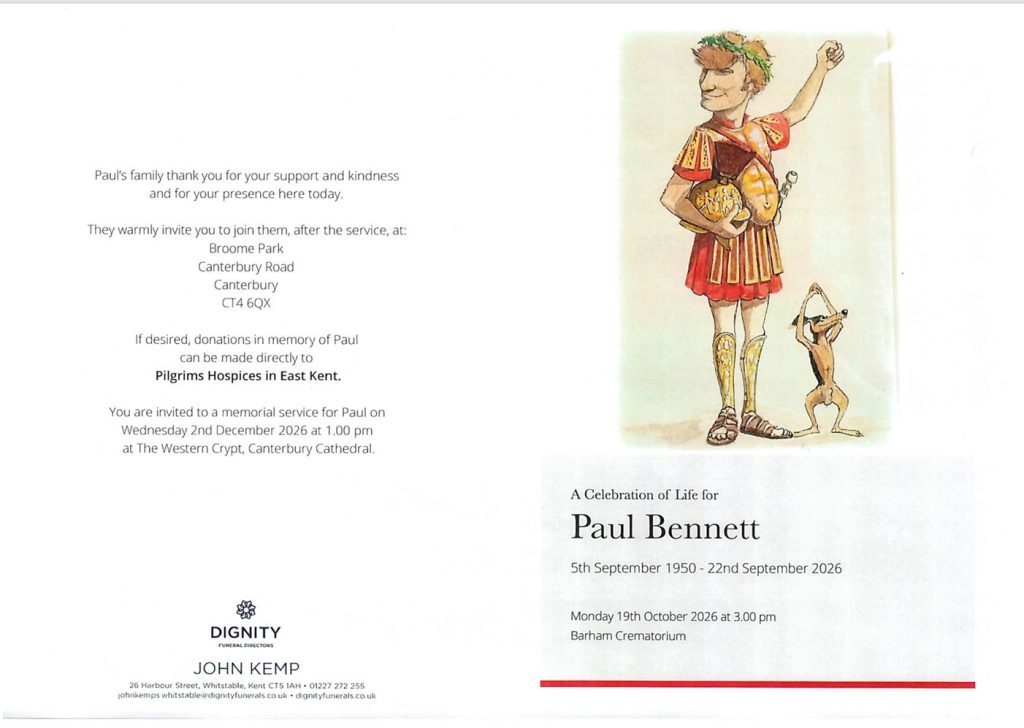
Moreover, before I report on the Medway History Showcase 26, I want to take a moment to consider Professor Paul Bennett’s funeral that took place on Monday 19th October. For this reflected the very many facets of his life which highlighted that, yes, he was indeed a giant in the world of archaeology, but there was far more to him from a devoted dog owner (and minder, he and Becky looked after various dogs belonging to Trust staff and Ice, my white German Shepherd) of Kyle, Paul’s dog having brought Paul and Becky together in his Manchester University days, to his love for boats. This included, of course, the scaled down replica of the Dover Bronze Age Boat that had been seaworthy and had been used to take part in the Thames River races. Paul had also been instrumental in it being displayed in several exhibitions including at Paris and Dover, and it will be a major part of the new gallery at Dover Museum. Furthermore, he had been a long-serving member of the Diocesan Advisory Committee for the diocese of Canterbury, had advised on the fabric of Canterbury Cathedral, had led countless group visits of distinguished historians and other groups around the city, cathedral and parish churches (especially St Mildred’s – his favourite!), had regularly led the Director’s Walks as part of the Canterbury Festival, had been a passionate advocate for Libyan archaeology in all sorts of ways, including helping to train young archaeologists, and worked on the cave excavations in Kurdish Iraq where Neanderthals had been found. He was also keen to help young archaeologists, and many can testify to the encouragement he provided as well as the excellent training and leadership, perhaps exemplified by the annual Frank Jenkins Director’s lecture where he sought to mention every member of the Canterbury Archaeological Trust’s staff.
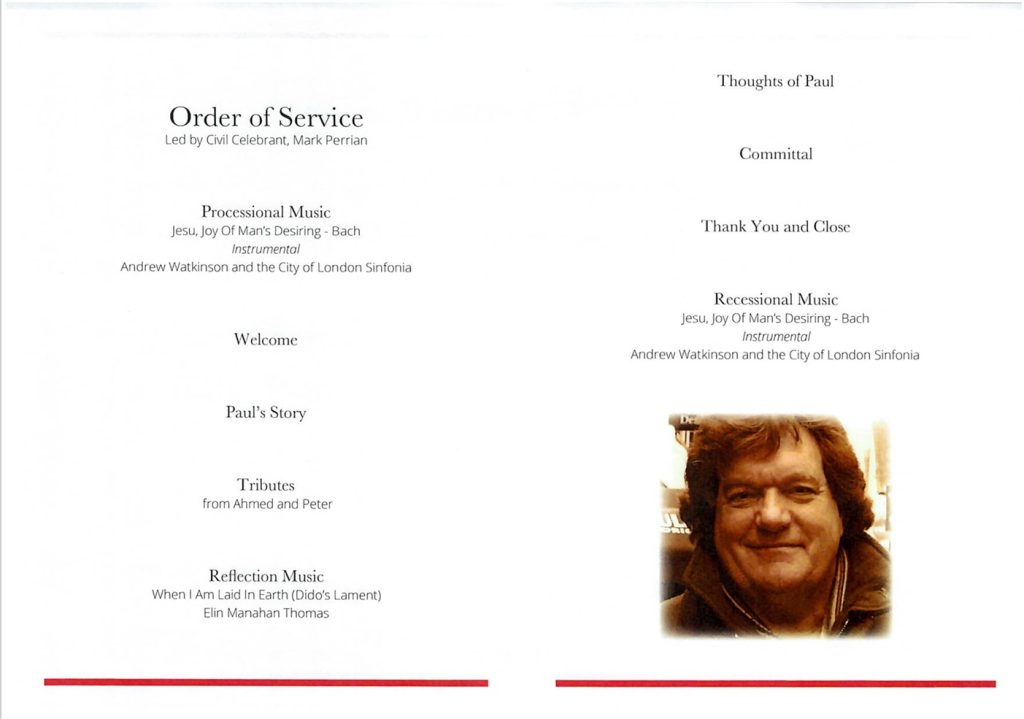
While there were still books he wished to complete, there are important publications that bear his name, but it is that other aspect of education I want to remember now. Firstly, in what might be seen as an example of outreach and knowledge exchange, where he and Keith Parfitt were instructors at two very successful study days in 2012 and 2013 that we ran at Brook Rural Museum.
Secondly, thinking about higher education, Paul gave not one but two excellent visiting professorial lectures at CCCU on his life as an archaeologist. Furthermore, he was also an absolute stalwart as a leader of guided walks for the annual Canterbury History Weekends, which began in 2016. Indeed, when we couldn’t hold the Weekend in 2021, he produced a podcast with the help of two CCCU film studies students about early Tudor Canterbury based around the Bulstake (Buttermarket).
The University of Kent similarly benefitted from his expertise and personally it was a great privilege to run jointly the MA MEMS option modules on ‘Medieval Canterbury’ for well over a decade and for a few years ‘Early Modern Canterbury’. The combination of Paul’s guided walks and my documentary seminars were highly successful for generations of students, as exemplified by their comments. Additionally, their enthusiasm was apparent throughout, as seen on the final walk each year. This was yet again a 3-hour marathon to explore the inner and outer precincts of Christ Church Priory and the bonus of an examination of the fossilised remains of Archbishop Hubert Walter’s great hall, second only to Westminster, with its cutting-edge architectural features. We would finish in the twilight, but this did not dampen the enthusiasm of the students, a major testimony to Paul’s qualities as a teacher! So Paul, great and true friend, RIP.
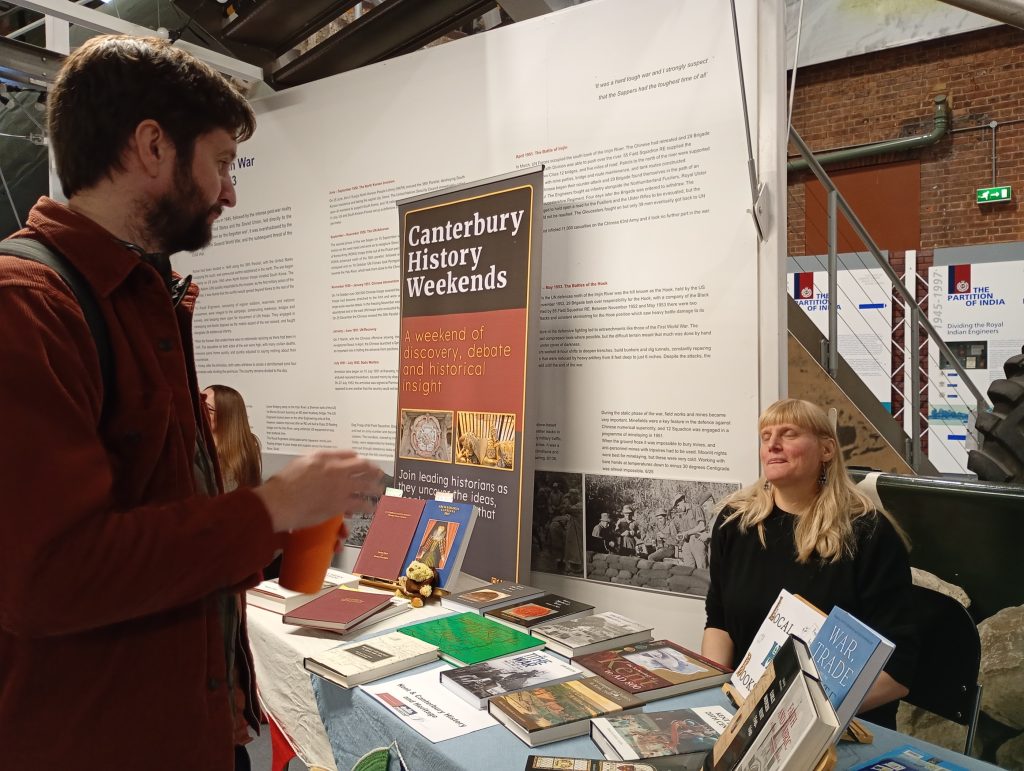
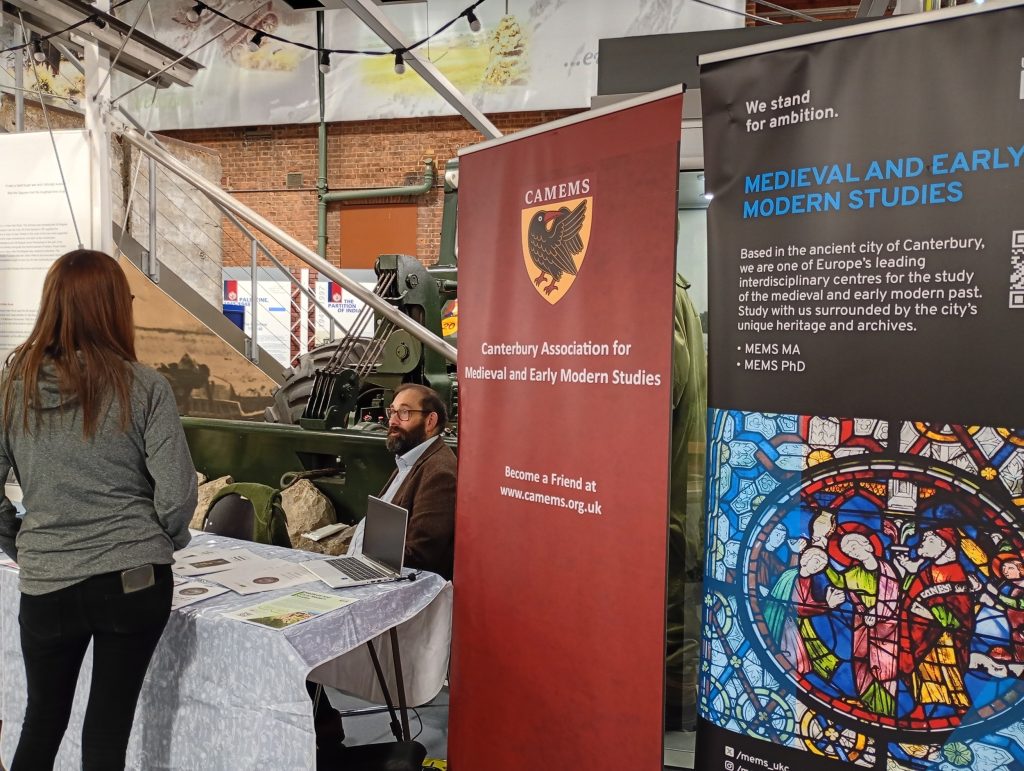
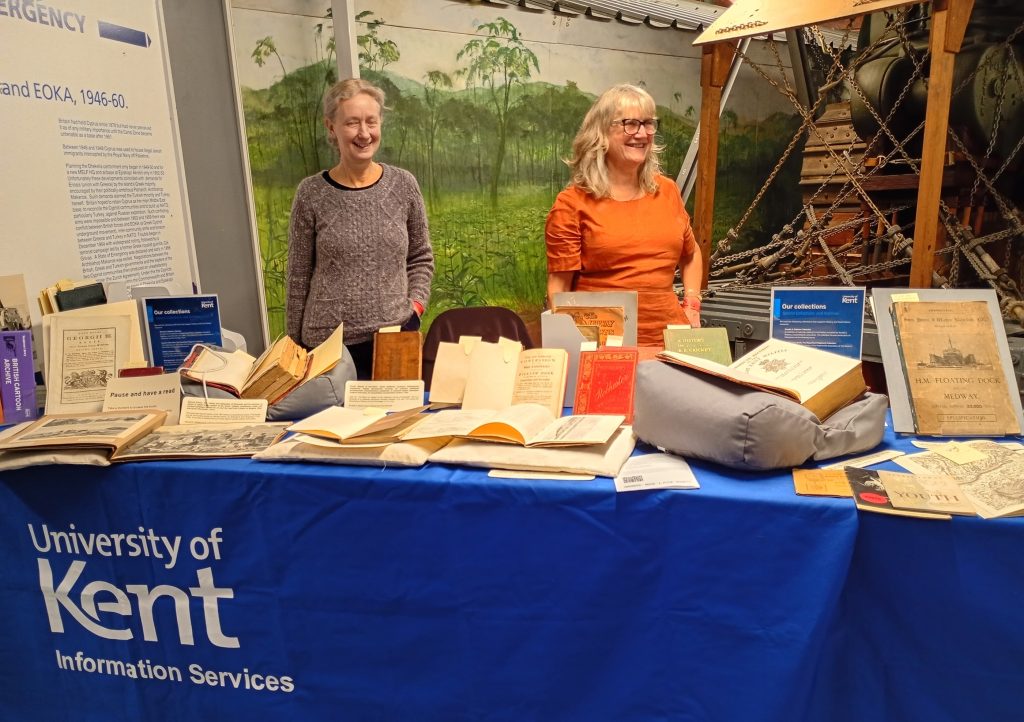
For the remainder of this blog, I now want to turn first to the Medway History Showcase 26 that took place on the 17th and 18th October. Our stalls covering the activities of Kent MEMS, CAMEMS and Kent & Canterbury History & Heritage were next to that of the Maritime Research Group and over from Karen Brayshaw and her team at the Kent University’s Special Collections and Archives. This worked well and Jason Mazzocchi, Christine Brandl and I had a series of conversations over the 2 days with a broad range of visitors interested in our displays, including the books and literature we had about these organisations and future events.
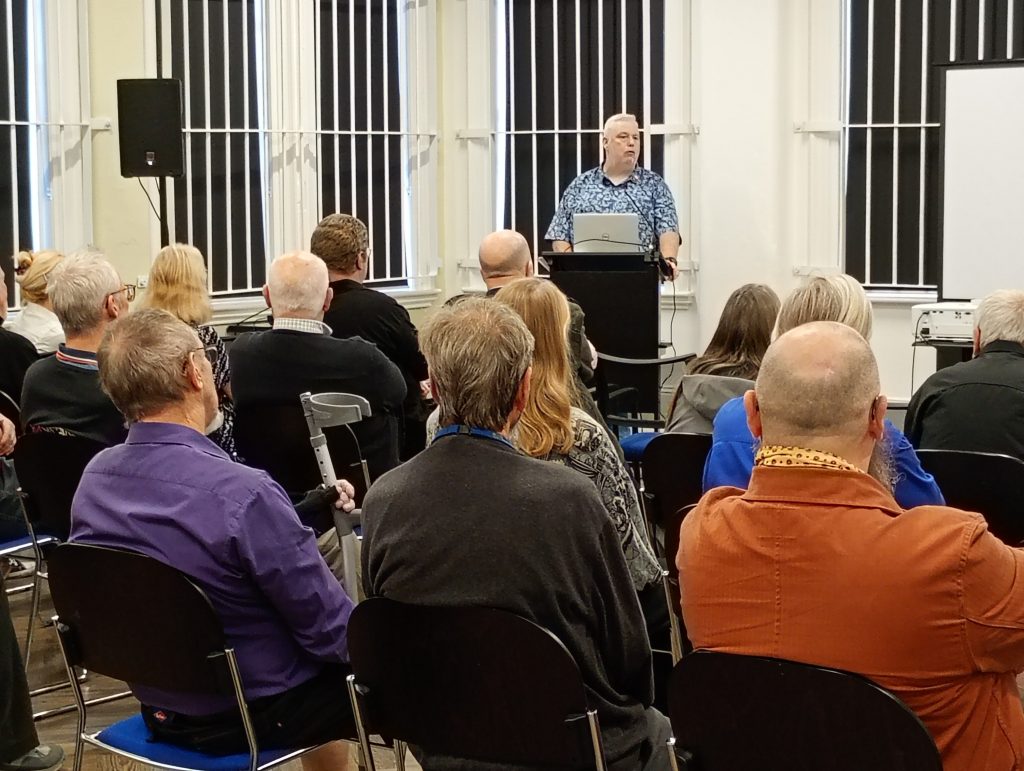
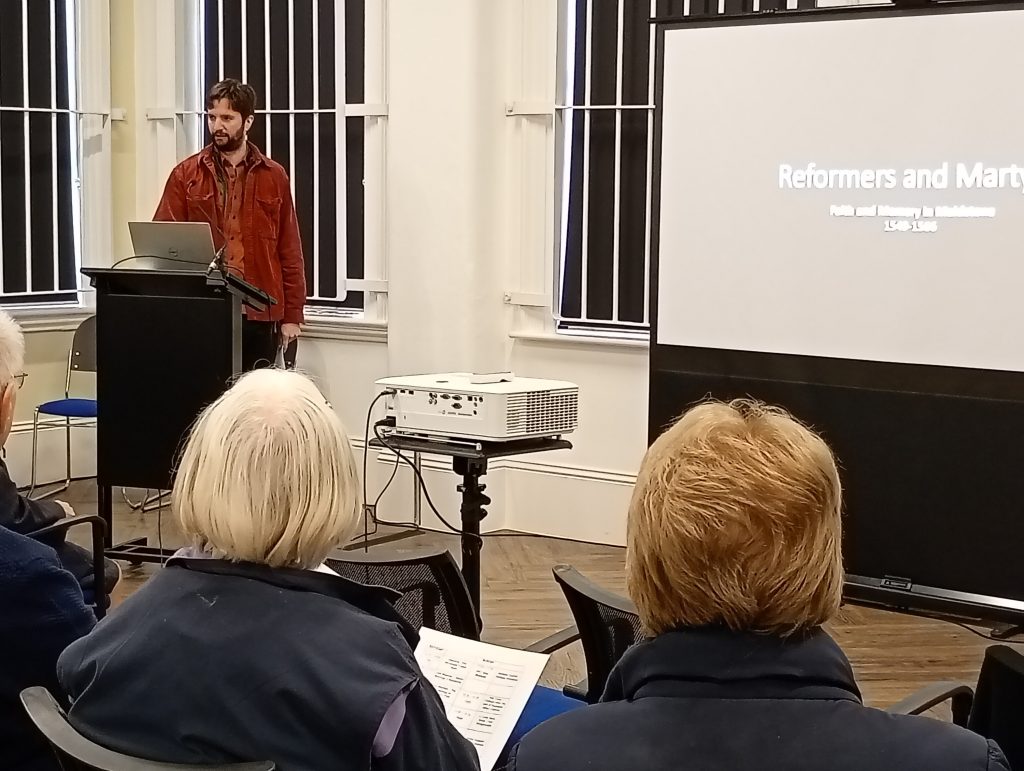
Additionally, we each chaired one of the free talks as part of the programme created by Peter and Jane Joyce as organisers, while Jason and I each gave a talk, as did Dr Jack Newman under the auspices of the Maidstone VCH project. Jack looked at the Marian martyrs in the context of religious division in the town, links with religious reformers in Essex and other parts of the south-east and how what would seem to be eyewitness accounts of the burnings can enhance the evidence published by John Foxe in his book popularly called the Book of Martyrs. This produced a lively discussion, not least about why the burnings had taken place in the King’s Meadow, which was not normally used for executions.
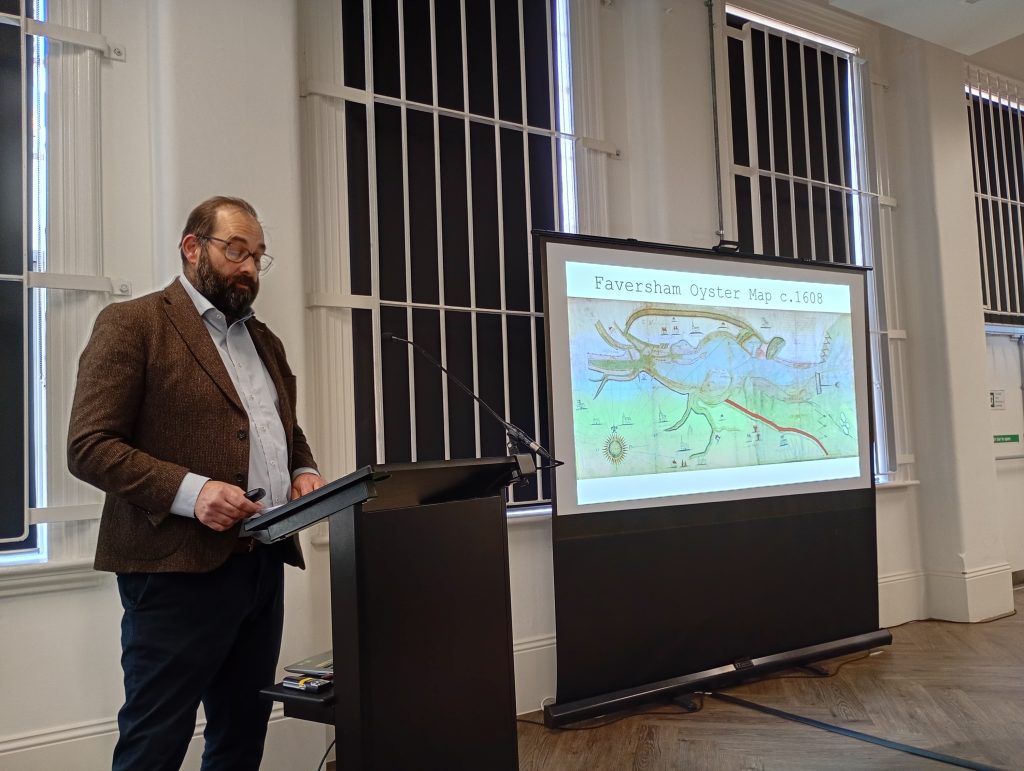
Jason’s talk demonstrated how ‘microhistory’ as a theoretical approach can be employed extremely fruitfully to investigate early modern society, in this case the north Kent maritime communities between Whitstable and Grange. For as he demonstrated ‘small pieces of evidence’ – from the names of house owners on a map to specific bequests in a will – can reveal much through the lens of various oyster disputes about networks, shared cultural perspectives, the role of negotiation and ideas about neighbours and neighbourliness across this area from the land to the sea, and the margins in-between. Jason’s carefully constructed analysis similarly raised interesting questions from his audience, and he also had a series of conversations with attendees who wanted to discuss both his evidence and his theoretical approach.
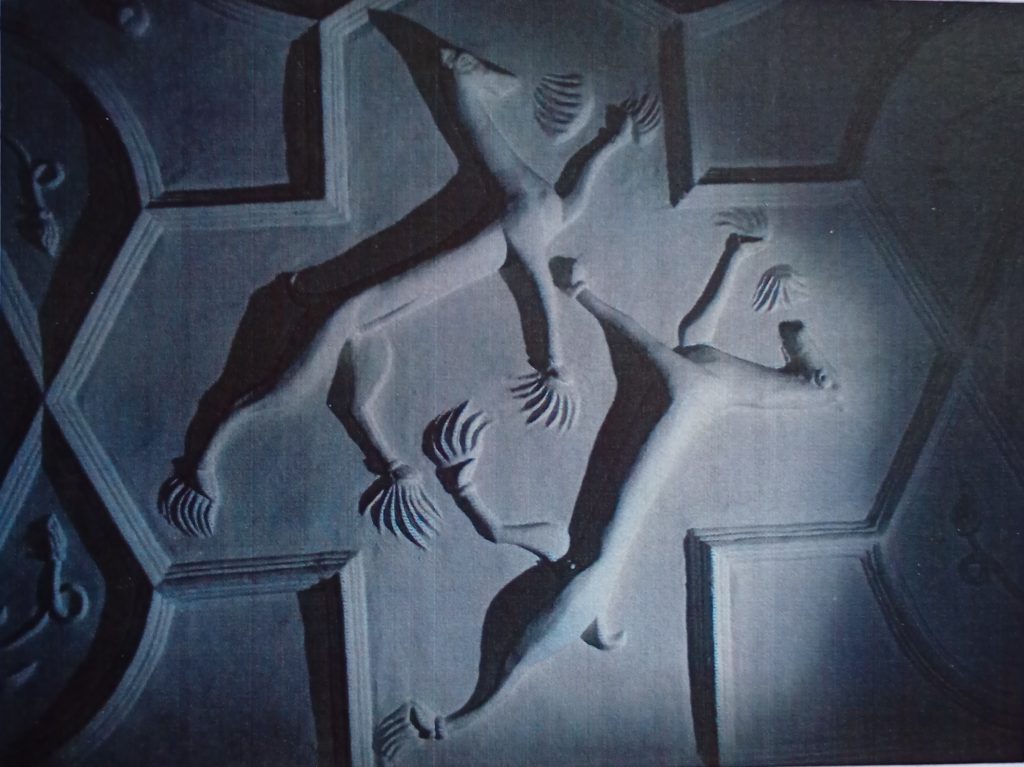
Both Jack and Jason spoke on the Saturday, and I spoke on the Sunday where I took the audience on a ‘visit’ to Eastgate House, Rochester, c.1630 when Sir Peter Bucke’s widow was residing there. This meant we saw the fashionable brick exterior with its stair tower, imposing street frontage and symmetrical vista from the courtyard either side of the porch with the 3 stories of 5-sided bay windows on the visitor’s left (high end, street side) and the corresponding 3-sided bay windows on the visitor’s right (low end, away from the street). The having entered we ‘toured’ the house, thinking about the size of the rooms, the role of decoration – differences between wood panelling and tapestries as well as some elaborate plaster ceilings, the potential for seeing rooms as interconnected (the concept of a suite), the different styles and positions of the various hearths, the likely furnishings and what this can tell us about use and specialisation, who was likely to be present, ideas and private and public spaces etc. As before this sparked a series of questions – about such matters as perception by those at the fledgling Chatham dockyard who ‘saw’ themselves overseen by Sir Peter from his observation platform at the top of his stair tour, or the house as a manifestation of the Bucke’s civilised manners, thereby creating links between outward behaviour and inner morality and the state of the soul.
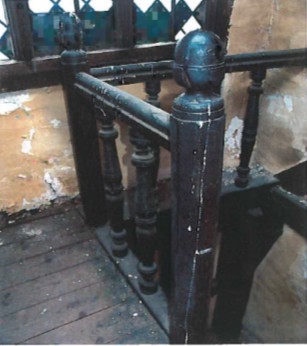
As this was the last talk of the weekend, thereafter Peter Joyce on behalf of the organisers thanked everyone involved, including the museum staff, exhibitors, speakers and other helpers, noting, as in previous year, the best mark of success had been that the café had again run out of sandwiches! This left the Deputy Mayor of Medway, Cllr Sharon Jackson, to say how much she had enjoyed the occasion. Indeed, she had stayed far longer than originally planned and she was keen to highlight that MHS has become an important part of Medway’s annual offering on the area’s history and heritage to locals and visitors alike, so another very successful weekend!
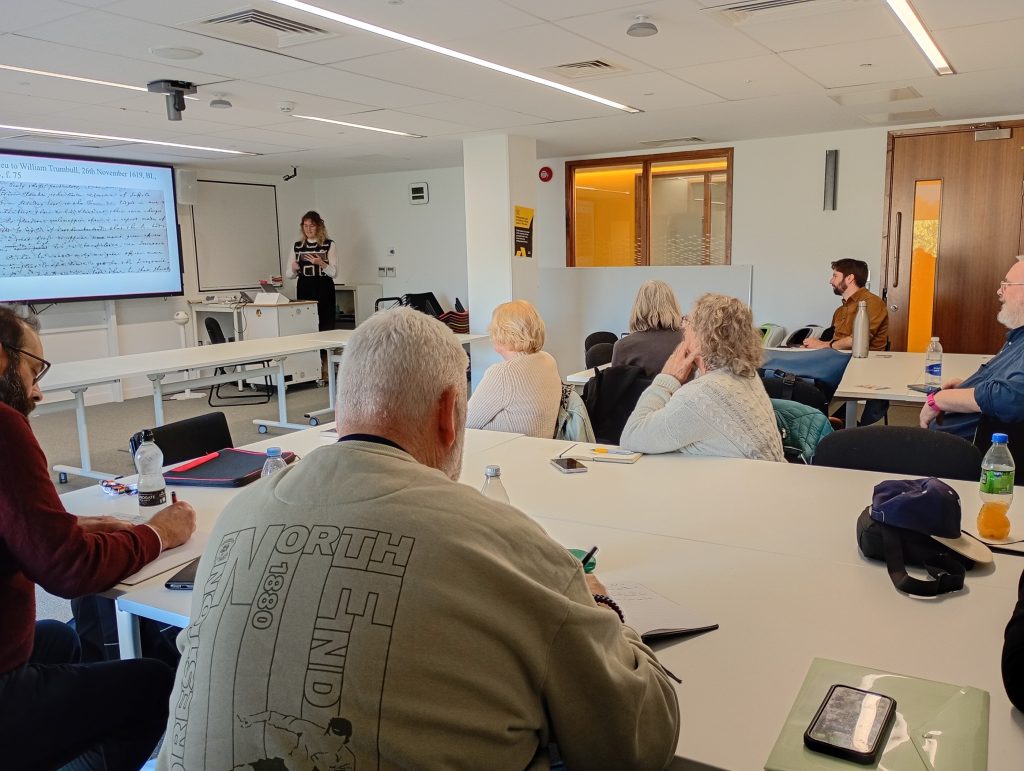
My last report is on Amilia Gillies’ presentation to the Kent History Postgraduates group. Amilia is very close to submitting her doctoral thesis and she provided us with a very interesting talk about the response in Jacobean society to three scandals linked to figures at James I’s court as a way to explore ideas about cultural history. Thus, she not only examined these cases in terms of ideas about corruption and the judicial response thereafter, but how they were viewed politically, in religious terms and morally, as well as against the background of a potential foreign royal marriage and continental wars of religion. Another aspect of her presentation was an assessment of the way these scandals were communicated both publicly and privately – from poems and sermons to letters and diaries, including I saw on her chart the diary of Lady Anne Clifford. Furthermore, Amilia had some very interesting observations about they way these scandals were also articulated in what might be seen as traditional terms concerning attitudes towards women, such ideas crossing the religious divide between Catholicism and Protestantism. Another way such scandals offered a means to interrogate Jacobean culture was through the role of orality in their dissemination and to which groups within society – was this solely top down, or also from below. Linked to this was the importance of Westminster/London and regional society – the idea of centre and provinces.
As you can imagine Amilia’s very thoughtful presentation produced several comments and questions, not least the way rhyming verse was used by critical commentators which thematically chimed with other people’s work from different historical periods. This once again underlined that the research of group members’ thematically offers shared ideas, which is another valuable dimension. Consequently, after a very interesting session, the group headed to the library café to continue the discussion.
Categories
academic Blog Posts Canterbury Early Modern Events festival Heritage Kent Lecture local and regional history Middle Ages News Stuarts TudorsBack